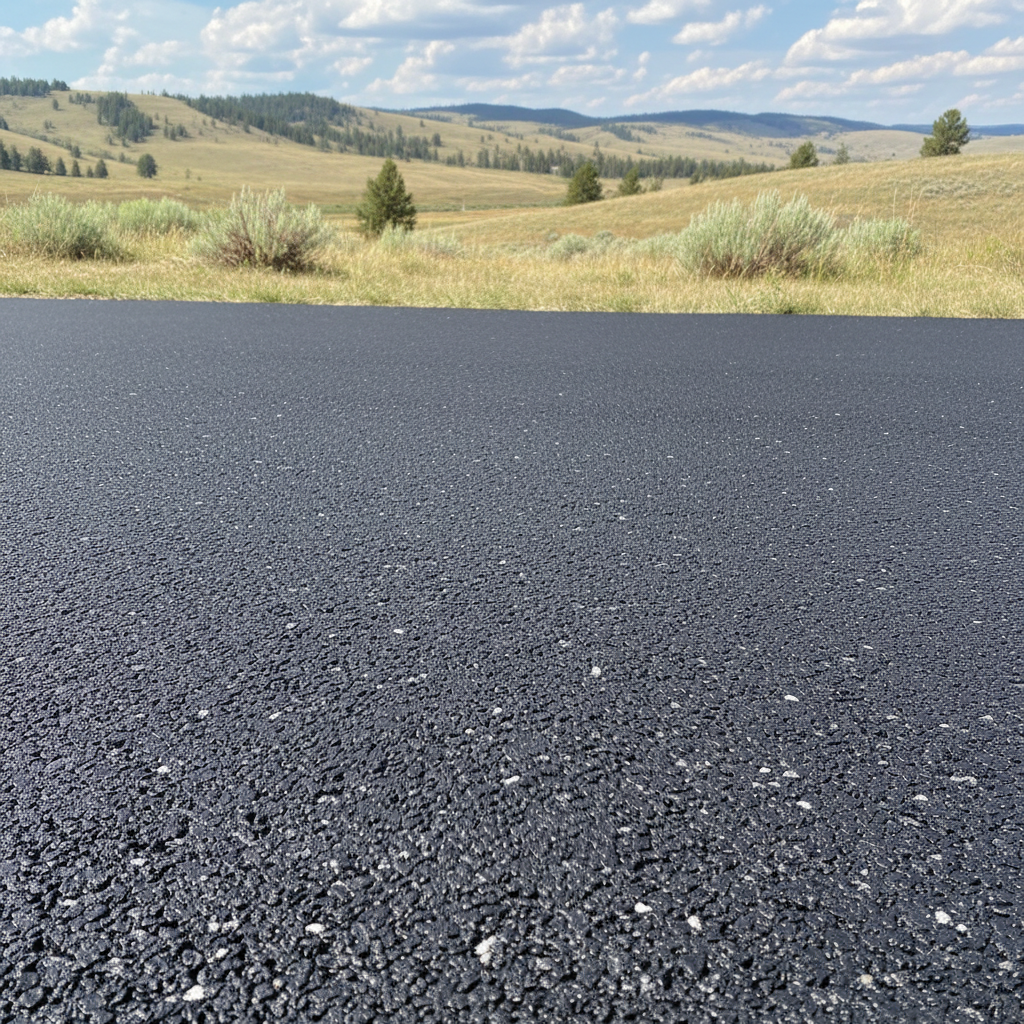
Thinking about a new asphalt driveway or wondering what’s up with the one you’ve got? I get a lot of questions from folks around Billings, and I mean a lot. It’s a big investment, and you want to make sure you’re doing it right. So, let’s cut through the noise and get to the real answers about residential asphalt.
How long should a new asphalt driveway last?
This is probably the most common question I hear. A well-installed asphalt driveway, done right the first time, should easily give you 15 to 20 years. Some even go longer. But here’s the kicker: 'well-installed' is the key. That means a proper sub-base preparation, good drainage, and the right thickness of asphalt for our climate here in Billings. If a contractor skimps on the base, you’ll see problems a lot sooner, no matter how good the top layer looks initially. Regular maintenance, like sealing every few years, also plays a huge role in hitting that 20-year mark.
What’s the deal with cracks, and how do I fix them?
Cracks are inevitable with asphalt; it’s just the nature of the material, especially with our freeze-thaw cycles here in Montana. You’ll see a few different types. Hairline cracks are usually just surface-level and not a huge concern right away. Alligator cracking, where it looks like a bunch of interconnected small cracks, means the base is probably failing, or the asphalt is getting old and brittle. Longitudinal cracks run parallel to the driveway, and transverse cracks go across it. For small cracks, a good quality crack filler can do the trick. You want to clean out any debris first, then apply the filler. For alligator cracking, you’re usually looking at needing to remove and replace that section, or even the whole driveway if it’s widespread. Don’t ignore them; water gets in, freezes, expands, and makes things way worse.
When’s the best time of year to install or repair asphalt in Billings?
For new installations or major repairs, spring, summer, and early fall are your best bets. We need consistent temperatures, usually above 50°F, for the asphalt to cure properly. Pouring asphalt when it’s too cold means it cools too quickly, doesn’t compact well, and won’t last as long. Here in Billings, that usually means from May through September, sometimes into October if we get a warm stretch. You definitely don’t want it done when the ground is frozen or when we’re expecting a cold snap.
Should I sealcoat my driveway, and if so, how often?
Absolutely, you should sealcoat your asphalt driveway. Think of it like sunscreen for your driveway. It protects against UV rays, water penetration, and even helps prevent those small cracks from forming. It also gives your driveway a nice, fresh black look. For a new driveway, I usually recommend waiting about 6-12 months after installation to let it fully cure, then apply the first sealcoat. After that, every 2-3 years is a good general guideline. If your driveway gets a lot of sun exposure or heavy traffic, you might do it a bit more often. Don’t overdo it though; too much sealcoat can build up and crack itself.
What causes potholes, and can they be prevented?
Potholes are usually a sign that water has gotten under your asphalt and weakened the base. Here’s how it typically happens: a small crack forms, water seeps in, and then with our cold winters, that water freezes and expands, pushing up the asphalt. When the ice melts, it leaves a void, and traffic driving over that weak spot causes the asphalt to collapse, creating a pothole. Proper drainage and timely crack sealing are your best defenses against potholes. If you see a small crack, fix it. If you have poor drainage and water pools on your driveway, that’s a problem that needs addressing. Sometimes, especially in older neighborhoods like the Heights where the soil can be pretty expansive, a really solid base is crucial to prevent these issues.
How can I make my asphalt driveway last longer?
It boils down to a few key things. First, make sure it’s installed correctly by a reputable company like Diamond Asphalt. A good foundation is everything. Second, keep it clean. Sweep off leaves and debris regularly so water doesn’t sit on it. Third, address cracks and potholes as soon as they appear – don’t let them get bigger. Fourth, sealcoat every 2-3 years. Finally, avoid parking heavy vehicles on it for extended periods if it wasn’t designed for that kind of load. If you’ve got a big RV, consider a dedicated pad. These simple steps will add years to your driveway’s life and save you money in the long run.
What’s the difference between asphalt and concrete?
They’re both common paving materials, but they’re pretty different. Asphalt is flexible; it’s made from aggregates (like gravel and sand) mixed with bitumen, which is a petroleum-based binder. It’s black, heats up faster, and is generally less expensive to install upfront. It’s also easier to repair; you can patch asphalt pretty seamlessly. Concrete, on the other hand, is rigid. It’s a mix of cement, water, and aggregates. It’s typically gray, more expensive to install, and lasts longer if maintained perfectly, but when it cracks, it’s usually a bigger, more visible repair. For driveways, asphalt is often preferred for its flexibility, lower cost, and easier maintenance, especially with our temperature swings.